Hurricane Erin Downgraded to Category 3 but Still Powerful
Introduction
Hurricane Erin has officially been downgraded from a Category 4 monster to a Category 3 storm. But before anyone breathes a sigh of relief, experts are quick to remind us: Category 3 is still dangerous. With sustained winds well over 110 mph, torrential rain, and storm surge threats, Erin continues to pose a significant risk to communities in its path.
What Category 3 Really Means
The Saffir-Simpson Hurricane Wind Scale ranks storms from Category 1 to Category 5. Category 3 hurricanes, classified as “major hurricanes,” pack winds between 111–129 mph. At this level, roofs can peel away, power grids can collapse, and coastal areas face serious flooding. A downgrade doesn’t mean safe—it just means slightly less catastrophic.
The Journey of Hurricane Erin
Erin began as a tropical depression swirling in the Atlantic. Fueled by warm waters and favorable conditions, it quickly intensified into a hurricane. At peak strength, it reached Category 4 status, becoming a formidable force. The downgrade to Category 3 came as the storm encountered cooler waters and increased wind shear, slightly reducing its ferocity.
Impact on Affected Regions
Communities along the coast have already begun feeling Erin’s power. Streets are flooding, power outages are widespread, and homes are sustaining structural damage. Emergency officials are urging people to stay indoors, emphasizing that conditions remain dangerous despite the downgrade.
Storm Surge Threats
One of the greatest dangers from Erin is storm surge—the wall of water pushed inland by hurricane-force winds. Surge can swallow entire neighborhoods, sweep away vehicles, and cut off rescue access. Even as a Category 3, Erin’s surge remains a deadly threat for low-lying areas.
Heavy Rainfall Concerns
Alongside the winds, Erin brings sheets of relentless rain. The risk of flash floods is rising, with rivers expected to overflow. What’s more, inland towns hundreds of miles from the coast are preparing for flooding, reminding us that hurricanes aren’t just a coastal problem.
Evacuation Efforts
Officials have issued evacuation orders for high-risk coastal regions. Buses, shelters, and emergency services are mobilized to assist residents who cannot leave on their own. While some resist leaving, history has shown the deadly cost of ignoring evacuation warnings.
Airlines, Travel, and Disruptions
Airports in the storm’s projected path are shutting down flights, stranding travelers. Major highways are congested with families fleeing inland, and ports have suspended cruise and shipping operations. The ripple effect of Erin is disrupting transportation far beyond its direct path.
Communities Preparing for Impact
Hardware stores are selling out of plywood, bottled water, and generators. Families are boarding up windows, stacking sandbags, and stocking supplies. Volunteer groups and local aid organizations are stepping in, ensuring vulnerable residents are not left behind.
Comparisons to Past Hurricanes
Meteorologists are comparing Erin to previous storms like Hurricane Sandy and Hurricane Ivan. While no two storms are alike, the lessons from past disasters—early evacuation, strong building codes, and rapid response—are proving valuable once again.
The Science Behind the Downgrade
So why did Erin weaken? The answer lies in the science of hurricanes. Warm water acts as the storm’s fuel, and once Erin hit slightly cooler waters, it began to lose some of its strength. Added wind shear disrupted its eye structure, lowering its category. Still, experts caution that hurricanes can re-intensify quickly under the right conditions.
Long-Term Forecast
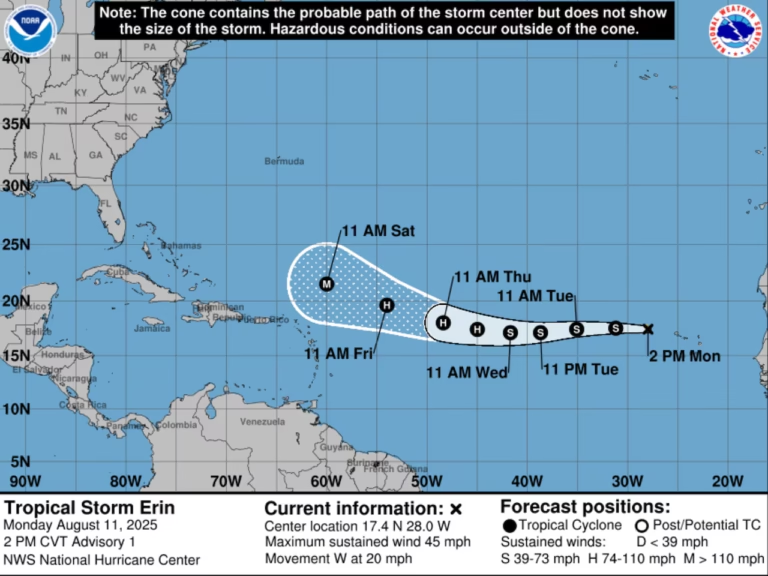
Erin’s projected path continues to evolve. Meteorologists warn that even as a Category 3, the storm may strengthen again if it moves over warmer water. Several states remain under hurricane watches and warnings, with updates coming hourly as new data emerges.
Economic Implications
Beyond human safety, the economic toll is mounting. Businesses in coastal towns are shutting their doors, crops risk destruction from flooding, and insurance companies brace for a flood of claims. The financial scars of hurricanes often linger long after the winds die down.
Human Stories Emerging
As always in times of crisis, stories of resilience and compassion are surfacing. Families are sharing their evacuation journeys, first responders are risking their lives, and neighbors are helping one another prepare. These human moments remind us that while nature is powerful, so too is community spirit.
Safety Tips During Category 3 Storms
- Stay Indoors: Avoid going outside until officials say it’s safe.
- Prepare for Power Loss: Keep flashlights, batteries, and backup chargers ready.
- Avoid Floodwaters: Never attempt to drive or walk through floodwaters.
- Secure Your Home: Board up windows, reinforce doors, and bring in loose outdoor items.
- Stay Informed: Listen to official updates through radio, TV, or reliable online sources.
Conclusion: The Bigger Picture
Hurricane Erin may have lost some strength, but it remains a formidable force. Downgraded or not, a Category 3 storm is still capable of destruction on a massive scale. The message is clear: stay alert, follow evacuation orders, and never underestimate the power of a hurricane.
FAQs
1. Why was Hurricane Erin downgraded to Category 3?
Because it moved into cooler waters and encountered wind shear, which disrupted its strength.
2. Does a downgrade mean the storm is no longer dangerous?
Not at all—Category 3 storms are still major hurricanes with life-threatening impacts.
3. Can Hurricane Erin strengthen again?
Yes, if it moves over warmer waters, there’s a chance it could re-intensify.
4. What areas are most at risk?
Low-lying coastal regions face storm surge, while inland towns risk flooding from heavy rain.
5. How long will Hurricane Erin last?
Forecasts suggest several more days of impact, depending on its path and whether it weakens or restrengthens.