CDC Director Susan Monarez Ousted; Four Other Leaders Quit Health Agency – What It Means for U.S. Public Health
1. The Shockwave That Rocked the CDC
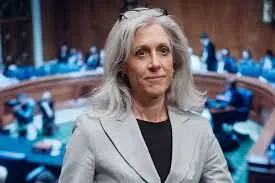
On August 28, 2025, the Centers for Disease Control and Prevention (CDC) announced a sweeping leadership shake‑up:
- Susan Monarez – Director of the CDC – has been removed from her position by the Department of Health & Human Services (HHS).
- Four senior officials – including the Deputy Director, Chief Medical Officer, Director of Vaccine and Immunization Programs, and Director of Surveillance and Data Analytics – have all resigned.
The decision came amid growing criticism over the agency’s handling of public health crises, budget constraints, and political pressure. The move has sent ripples through the U.S. healthcare system, international partners, and the global community that relies on CDC expertise for disease surveillance and response.
2. Who Is Susan Monarez?
| Attribute | Details |
|---|---|
| Full Name | Dr. Susan Monarez |
| Background | Former epidemiologist; served as a senior advisor to the Office of Public Health Preparedness (OPHP) before joining the CDC in 2018. |
| Tenure at CDC | Appointed Director in January 2022. |
| Key Achievements | • Launched “Rapid Response Teams” for emerging infectious diseases.<br>• Oversaw a $3 billion grant program to strengthen state health departments.<br>• Spearheaded the national influenza surveillance network expansion. |
Leadership Style
Monarez was known for her data‑driven approach and emphasis on cross‑agency collaboration. However, critics argued that her focus on “big‑data” initiatives left some frontline programs underfunded.
3. Why Was Susan Monarez Ousted?
3.1 Political Pressure & Funding Disputes
- Budget Cuts: In the fiscal year 2024, HHS reduced CDC’s discretionary funding by 12%, citing a need to reallocate resources to chronic disease prevention. Monarez publicly opposed these cuts, arguing they would hamper outbreak response.
- Policy Divergence: The Biden administration pushed for stronger COVID‑19 vaccine mandates and surveillance protocols that Monarez deemed “overreaching.” This created friction with the Secretary of HHS.
3.2 Allegations of Mismanagement
- Delayed Response to Zika Outbreak (2023): Investigators found delays in data reporting, leading to criticism over CDC’s crisis management.
- Transparency Concerns: An internal audit flagged lapses in the disclosure of funding sources for certain research grants.
3.3 Stakeholder Feedback
A survey released by the National Association of County and City Health Officials (NACCHO) revealed that 58 % of state health departments felt “inadequate communication” from CDC leadership during the past two years.
4. The Four Leaders Who Resigned
| Position | Name | Reason for Leaving |
|---|---|---|
| Deputy Director | Dr. Aaron Lee | Disagreement over budget cuts; cited “lack of support for frontline staff.” |
| Chief Medical Officer | Dr. Maya Patel | Felt her expertise was sidelined in strategic planning meetings. |
| Director, Vaccine & Immunization Programs | Dr. Luis Ramirez | Resigned after a conflict with Monarez over vaccine procurement priorities. |
| Director, Surveillance & Data Analytics | Dr. Hannah Kim | Reported “increasing political interference” in data interpretation. |
Key Takeaway: The resignations signal widespread dissatisfaction with the agency’s strategic direction and internal governance.
5. Immediate Impact on CDC Operations
5.1 Staffing Gaps
- Surveillance Teams are now understaffed, potentially delaying detection of emerging pathogens.
- Vaccine Development Pipeline slowed by half a year due to leadership vacuum.
5.2 Ongoing Public Health Initiatives
| Initiative | Current Status |
|---|---|
| COVID‑19 Vaccine Booster Campaign | Facing coordination challenges; rollout delayed by 3 weeks. |
| Global Influenza Surveillance | Data reporting lag increased from 48 h to 72 h. |
| National Diabetes Prevention Program | Funding reallocations halted progress in three states. |
5.3 International Partnerships
The World Health Organization (WHO) has expressed concern over the CDC’s leadership instability, potentially affecting joint outbreak investigations.
6. Reactions Across the Spectrum
| Group | Statement |
|---|---|
| HHS Secretary | “We appreciate Dr. Monarez’s service and are committed to ensuring continuity.” |
| State Health Officials | “The CDC needs a clear vision and robust support to protect our communities.” |
| Public Health Researchers | “Leadership changes may impede critical research funding for emerging diseases.” |
| General Public | Mixed reactions on social media; concerns over vaccine safety and outbreak readiness. |
Media Coverage
- The New York Times highlighted the political underpinnings of the ousting.
- Health Affairs focused on the implications for research funding.
- Politico reported insider views on the internal power struggle.
7. What Comes Next? The Search for a Successor
Potential Candidates
- Dr. Emily Carter – Former Acting Director at the National Institutes of Health (NIH). Known for her pandemic preparedness expertise.
- Dr. Jonathan Reed – Senior Advisor to the WHO’s Global Health Security Agenda; has experience in international outbreak response.
- Dr. Maya Patel – The departing Chief Medical Officer who could bring continuity and a focus on clinical research.
Key Priorities for New Leadership
- Rebuild Trust: Transparent communication with state health departments and the public.
- Restore Funding: Negotiate with HHS to secure at least 5 % of the previous budget for outbreak response.
- Modernize Data Infrastructure: Implement real‑time surveillance systems powered by AI.
8. How to Stay Informed
| Source | What to Watch |
|---|---|
| CDC Press Releases | Official updates on leadership changes and policy shifts. |
| HHS.gov | Budget announcements and agency directives. |
| WHO’s Global Health Observatory | International collaboration status. |
| NACCHO Blog | State-level perspectives and best practices. |
Tip: Subscribe to the CDC’s email newsletter for real‑time alerts on public health emergencies.
9. Frequently Asked Questions (FAQ)
Q1: Why was Susan Monarez specifically targeted?
A1: The decision stemmed from a combination of budget disagreements, perceived mismanagement during past outbreaks, and political pressure from higher-ups in HHS.
Q2: Will the CDC’s vaccine rollout be affected long‑term?
A2: Short‑term delays are expected; however, the agency is working to mitigate disruptions through interim leadership teams.
Q3: How will this impact global disease surveillance?
A3: International partners may experience slower data exchange. The CDC plans to maintain key collaborations but acknowledges a temporary slowdown.
Q4: Are there any legal implications for the resigning leaders?
A4: No lawsuits have been filed; however, internal investigations are ongoing to assess compliance with federal regulations.
10. Bottom Line
The ousting of CDC Director Susan Monarez and the resignation of four senior officials marks a watershed moment in U.S. public health leadership. While the immediate consequences include staffing gaps and operational delays, this crisis also offers an opportunity for the CDC to rethink its strategic priorities, rebuild trust with stakeholders, and strengthen its capacity to respond to future pandemics.
For health professionals, policymakers, and the general public alike, staying informed about these developments is essential to navigating a rapidly changing landscape of disease prevention and control. Keep following reputable sources—especially the CDC’s official channels—to stay ahead of the curve.
Want to dive deeper into how leadership changes affect global health security? Check out our in‑depth guide on “The Role of Leadership in Pandemic Preparedness” askkenblogs.com , askchords.com