Erin to Slowly Intensify Over the Next Few Days, Then Become a Major Hurricane by the Weekend | August 11
The Calm Before the Storm
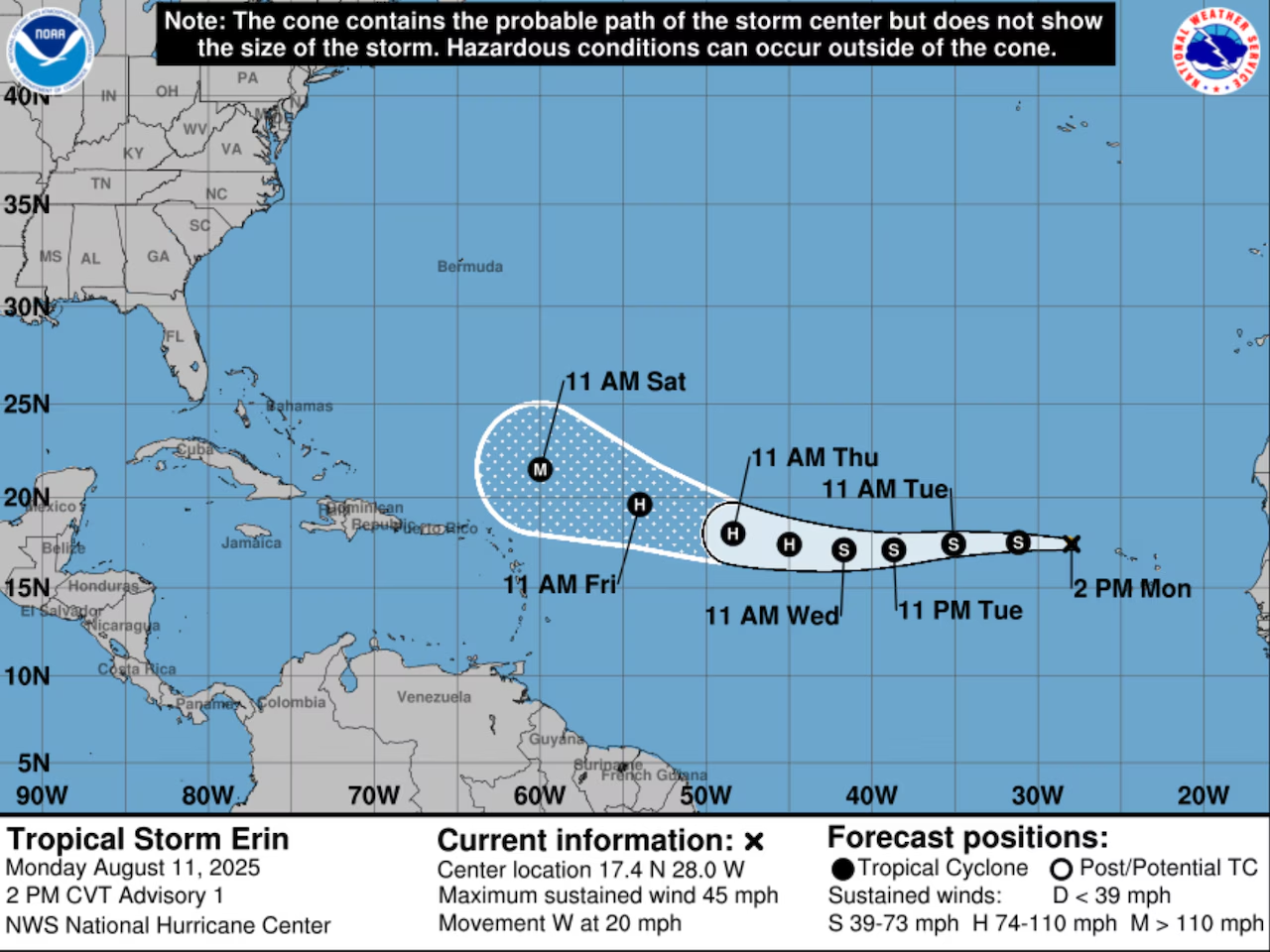
Tropical Storm Erin is on the move, and while it’s currently a manageable system, meteorologists warn that this calm won’t last long. Over the next few days, Erin is expected to gain strength, potentially transforming into a major hurricane by the weekend. The storm’s slow but steady intensification pattern is raising concerns among coastal communities and emergency planners.
Current Location and Movement
Tracking Erin’s Position
As of the latest advisory, Erin is located in the central Atlantic, moving northwest at a steady pace. Satellite imagery shows well-defined storm bands beginning to wrap more tightly around its center — a classic sign that intensification is underway.
Wind Speeds and Pressure Levels
Current sustained winds are near 60 mph (95 km/h), with gusts reaching higher speeds. The storm’s central pressure is gradually dropping, which typically signals a strengthening system.
Meteorological Overview
How Erin Formed
Erin developed from a tropical wave that emerged off the west coast of Africa earlier this month. As it traveled across the warm waters of the Atlantic, it began organizing, eventually being classified as a tropical storm.
Environmental Conditions Fueling Intensification
The combination of warm sea surface temperatures, low wind shear, and abundant moisture in the atmosphere is creating ideal conditions for Erin’s growth. These are the same ingredients that have fueled many past major hurricanes.
Short-Term Forecast (Next 48 Hours)
Predicted Path
Over the next two days, Erin is forecast to continue its northwest track. Computer models are in strong agreement, keeping the storm over open waters for now.
Wind Speed and Rainfall Expectations
Wind speeds could climb to near hurricane strength within 48 hours, and rainbands may produce heavy downpours over parts of the central Atlantic. While no land impacts are expected in the immediate term, maritime conditions will deteriorate.
Long-Term Forecast – Becoming a Major Hurricane
When to Expect Category 3 or Higher
By late Friday or early Saturday, Erin could cross the threshold into Category 3 status, with winds exceeding 111 mph (178 km/h). Forecasters are closely watching the timing of this intensification to refine warnings.
Potential Areas of Landfall
While it’s too early for exact predictions, some models suggest a potential threat to parts of Bermuda or the U.S. East Coast next week. The exact path will depend on steering currents in the atmosphere.
Impacts on Land and Sea
Threat to Coastal Communities
If Erin veers closer to land, storm surge, flooding, and destructive winds could pose serious risks to coastal populations.
Shipping Routes and Maritime Safety
Vessels in the Atlantic are being advised to reroute, as the storm’s growing wind field and rough seas will make travel hazardous.
Preparedness Measures
Evacuation Plans
Residents in potential impact zones should review their evacuation routes now. Waiting until the storm is close can cause dangerous last-minute rushes.
Emergency Kits and Supplies
Experts recommend stocking up on essentials such as water, non-perishable food, medications, flashlights, and extra batteries.
Role of the National Hurricane Center (NHC)
Advisories and Updates
The NHC issues regular updates every six hours, with special advisories if conditions change rapidly.
Tracking Tools for the Public
Online hurricane tracking maps and mobile alerts make it easier than ever to stay informed.
Climate Context
How Warm Ocean Waters Affect Hurricanes
Oceans act as the fuel for hurricanes — the warmer the water, the more energy storms can absorb. Climate change has contributed to record-breaking sea surface temperatures in recent years.
Trends in Strong Storm Formation
There’s been an increase in the number of rapid-intensification storms, which leaves less time for preparation.
Comparing Erin to Past Hurricanes
Similar Paths in Hurricane History
Erin’s projected path mirrors that of several historical storms, including Hurricane Fabian in 2003 and Hurricane Humberto in 2019.
Lessons Learned
History shows that storms tracking through this part of the Atlantic have the potential to become long-lived and destructive.
Global Reactions and International Aid Preparedness
Neighboring nations and relief organizations are already monitoring the storm and preparing to mobilize resources if needed.
Conclusion – Staying Alert and Ready
While Erin may still be far from land, the time to prepare is now. Whether it curves harmlessly out to sea or takes a more dangerous route toward populated areas, early readiness is the best defense against nature’s fury.
FAQs
1. What category is Erin right now?
Currently, Erin is a tropical storm with sustained winds around 60 mph.
2. When will Erin become a hurricane?
It’s expected to reach hurricane strength within the next 48 hours.
3. Will Erin make landfall?
It’s too early to know for sure, but some models suggest possible impacts next week.
4. How can I track Erin’s progress?
Follow updates from the National Hurricane Center and trusted meteorological sources.
5. Why is Erin intensifying so quickly?
Warm ocean waters and favorable atmospheric conditions are fueling rapid growth.