Robin Westman’s YouTube Manifesto Before the Minneapolis Church Tragedy
The Tragic Shooting at Annunciation Catholic School
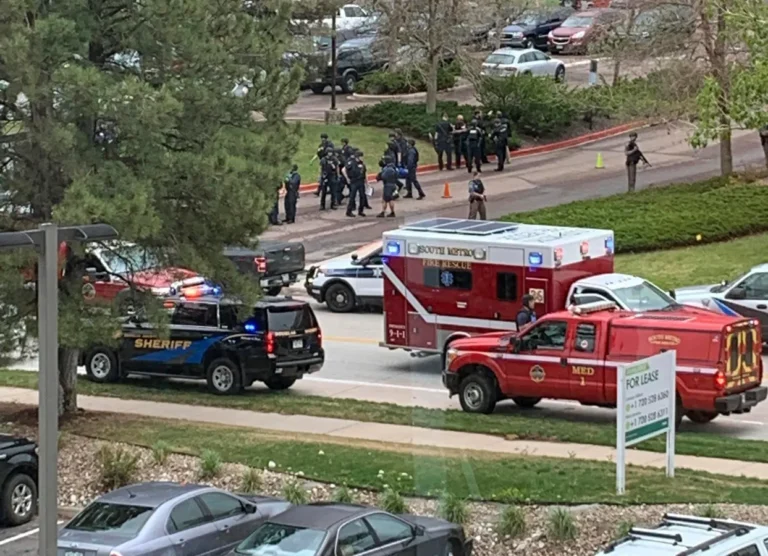
On August 27, 2025, a horrific mass shooting unfolded at Annunciation Catholic School in Minneapolis during a back-to-school Mass. The gunman, identified as 23-year-old Robin Westman, a transgender woman previously named Robert Westman, opened fire from outside the church. Two children—aged 8 and 10—were killed, and 17 others, including 14 children and three elderly parishioners, were injured New York PostPeople.comThe Times.
Law enforcement responded swiftly, and Westman died by suicide at the scene. Authorities aren’t ruling the attack as anything other than domestic terrorism and an anti-Catholic hate crime in their ongoing investigation People.comWikipedia.
Who Was Robin Westman?
Background and Identity
Westman legally changed their name from Robert to Robin in 2020, reflecting their gender identity at the time, though later writings conveyed deeper personal conflict New York PostThe TimesWikipedia.
Mental Health and Personal Struggles
In a handwritten letter addressed to family and friends, Westman revealed long-term severe depression, suicidal ideation, and emotional distress, even expressing feelings that they might be dying of cancer The Times of India.
Connection to the School
Westman had attended this very school, graduating in 2017. Their mother was a staff member at Annunciation until her retirement in 2021 New York PostThe TimesThe SunWikipedia.
The YouTube Manifesto: What Was Revealed
Content of the Videos
Westman posted two disturbing videos—one around 10 minutes and another roughly 20 minutes long—shortly before the shooter’s rampage. These videos featured gun and ammo displays, a handwritten manifesto, drawings (one showing the church interior), and a letter to family and friends WikipediaNew York PostKSTP.com 5 Eyewitness NewsThe Washington PostStar Tribune.
Visual and Symbolic Elements
The visuals included:
- A target featuring Jesus’s face
- Stickers and decals with white-supremacist, antisemitic, and anti-religious themes
- Gun magazines inscribed with “Kill Donald Trump” and grotesque phrases like “6 million wasn’t enough” KSTP.com 5 Eyewitness NewsThe Washington PostStar TribuneWikipediaNew York Post.
Messages and Ideological Themes
- Antisemitic & Anti-religious rhetoric—alongside violent contempt for society and institutions—were rife in the content New York PostStar TribuneWikipedia.
- Glorification of past mass shooters—Westman repeatedly expressed admiration for killers like Adam Lanza and referenced other high-profile attacks, including Christchurch and Pittsburgh New York PostStar TribuneWikipedia.
- Violent fantasies & self-destruction—Writings included melancholy confessions: “I fall apart, I break and I die,” an obsession with “being that scary horrible monster,” and ending with a stab into a drawing before uttering “kill myself” New York PostStar TribuneThe Times of India.
The Timing: Videos Released Just Before the Attack
Westman meticulously timed the manifesto videos to coincide with the attack, a disturbing act of premeditation noted by Minneapolis Police Chief Brian O’Hara New York PostWikipediaThe Washington Post.
Archived copies of these videos circulated online even after federal investigators removed the original uploads The Washington PostPeople.comNew York Post.
Broader Context of Manifestos and Attack Prevention
Research underscores that manifestos or recorded messages are often crucial warning signs. A 2019 FBI study found that 96% of lone-actor terrorists produced manifesto-like content, with 88% releasing it before the attack, known as “leakage” Wikipedia. These communications sometimes offer opportunities for early intervention before tragedy strikes.
Community and Official Reactions
Family, Church, and Survivor Voices
The community remains in deep mourning. Notably, a 13-year-old survivor—Endre Gunter—was identified and is recovering after being shot during Mass People.com.
Political and Public Discourse
Minneapolis’ mayor condemned attempts to deflect the shooter’s transgender identity into transphobic narratives, emphasizing the urgent need to focus on victims and prevention The Times. Additionally, gun rights advocate Brandon Herrera, mentioned in the videos, publicly denounced the shooter and offered support to victims’ families New York PostThe Texas Tribune.
Reflection and Takeaways
- Online Radicalization: The tragedy underscores how ideologically charged content online can normalize violence and radicalize troubled individuals.
- Mental Health Support: The writings suggest a deeply tormented mind; improved mental health intervention could be lifesaving.
- Safety vs. Free Speech: Balancing freedoms while mitigating the risk of dangerous content remains a critical, evolving challenge.
Conclusion
The annals of history have seen disturbingly calculated acts of violence cloaked in manifesto-style confessions. Robin Westman’s case is yet another reminder that behind these violent messages can lie real signals of impending tragedy. When ideology, anger, despair, and fascination with mass killing intersect—and get broadcast online—the outcomes can be devastating. Society must invest more heavily in mental health, community awareness, and prudent monitoring systems to help detect and respond to these alarms before the worst unfolds. Only through vigilance, empathy, and action can we hope to stem such human catastrophe.
Frequently Asked Questions
1. What did Robin Westman’s YouTube videos contain?
They featured multiple firearms and ammunition, a manuscript and letter to family, mockery of religious symbols, racist and antisemitic slogans, references to mass shooters, and violent fantasies.
2. When were the videos posted in relation to the shooting?
The videos were posted just hours before the shooting—carefully timed to coincide with the attack. Law enforcement confirmed this timing was deliberate.
3. What was in the handwritten letter Westman left behind?
Westman expressed deep depression, long-term suicidal thoughts, perceived bodily illness, apologies to close ones, self-loathing, and regret—signaling profound psychological distress.
4. How does Westman’s manifesto compare to other attackers’?
Like many lone-actor terrorists, Westman’s manifesto exhibits leakage, ideological fixation, hate content, and offers clues to personal suffering. This aligns with findings that over 88% of lone attackers published such material before their acts.
5. What steps can be taken to prevent similar tragedies?
Enhanced mental health outreach and early intervention, community education and reporting mechanisms, responsible moderation of online extremist content, and careful legal frameworks to balance safety with free expression are vital.